

Notes from the Maison.
Care, craft, and the heritage behind every piece.
Dressing for a Wedding When You Are Not the Bride
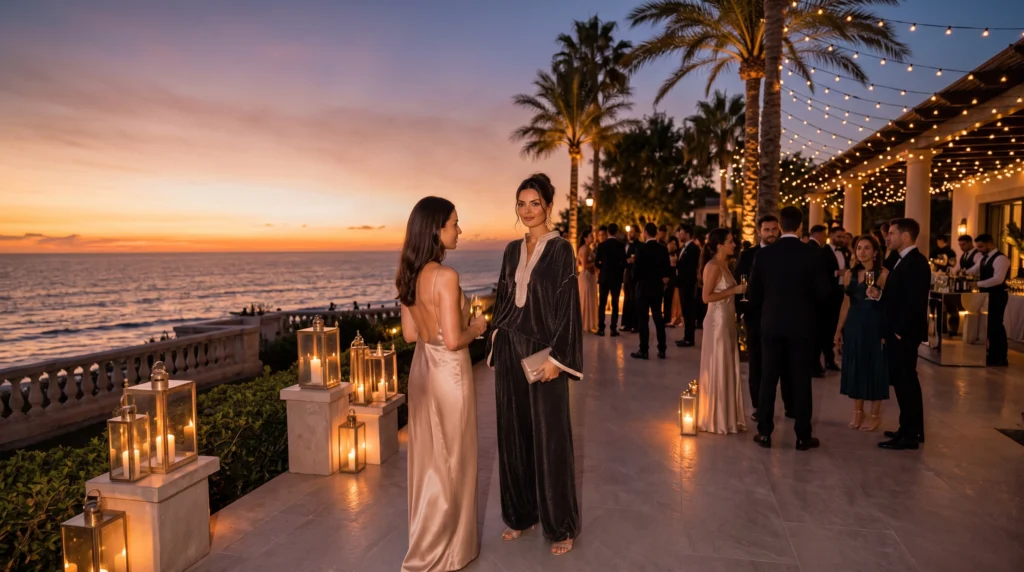
Moroccan weddings run long and change setting more than once. The three questions our advisors ask before recommending anything at all.
Packing a Caftan So It Arrives Ready
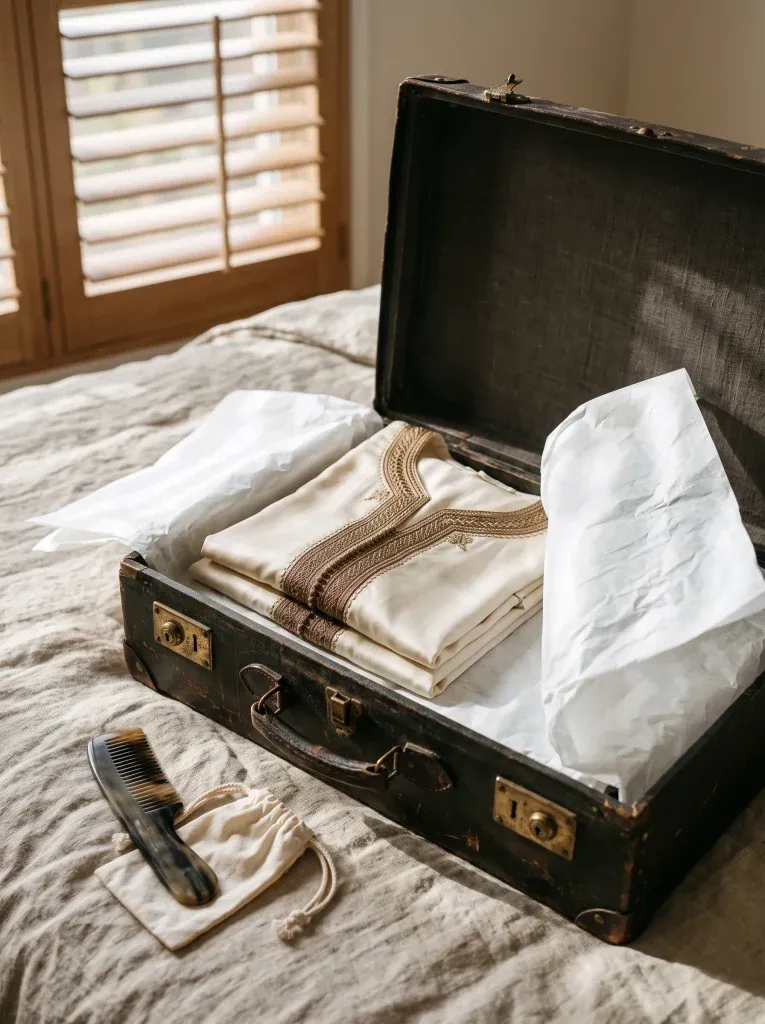
A caftan travels well when it is folded along the seams it already has. How the atelier packs one, and what to do about creases on arrival.
When You Are Between Two Sizes
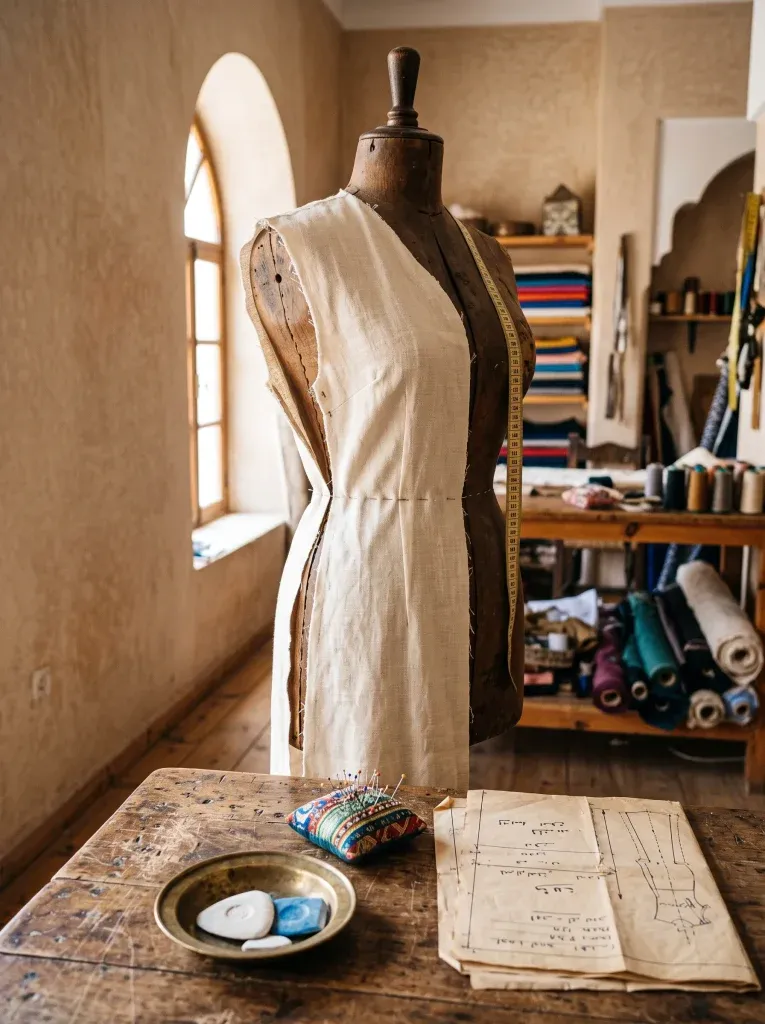
Half the questions our advisors answer begin the same way. The size you should take depends on the silhouette rather than the tape.
Caring for Linen, the Atelier Way
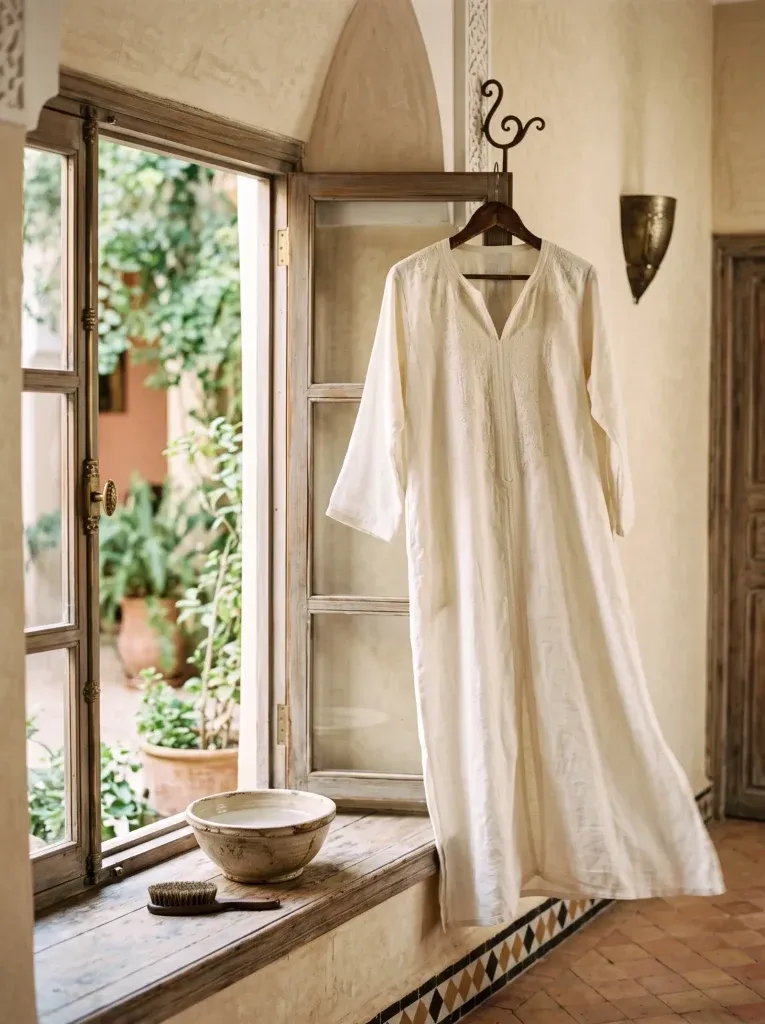
Linen rewards patience more than any fibre we work with. Here is how the atelier keeps it beautiful for decades, and how you can do the same at home.
Silk, Wool, and the Case for Natural Fibres
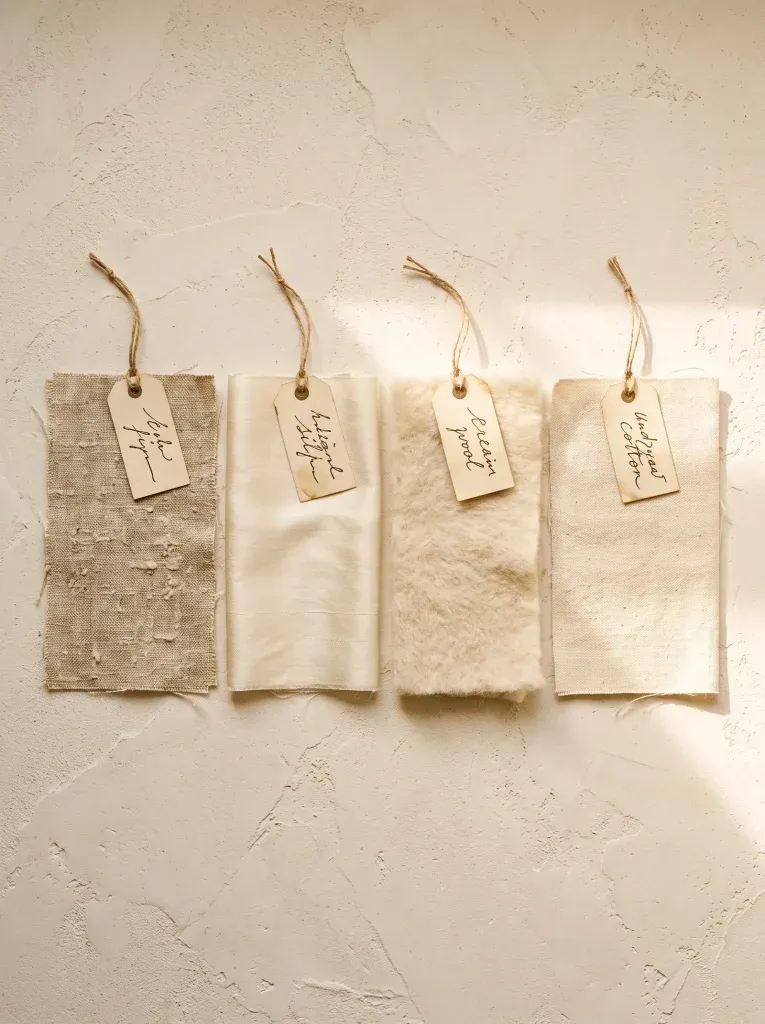
Synthetic cloth is cheaper, faster, and everywhere. Here is why the maison still works exclusively in linen, silk, wool, and cotton.
Why We Cut Only Forty
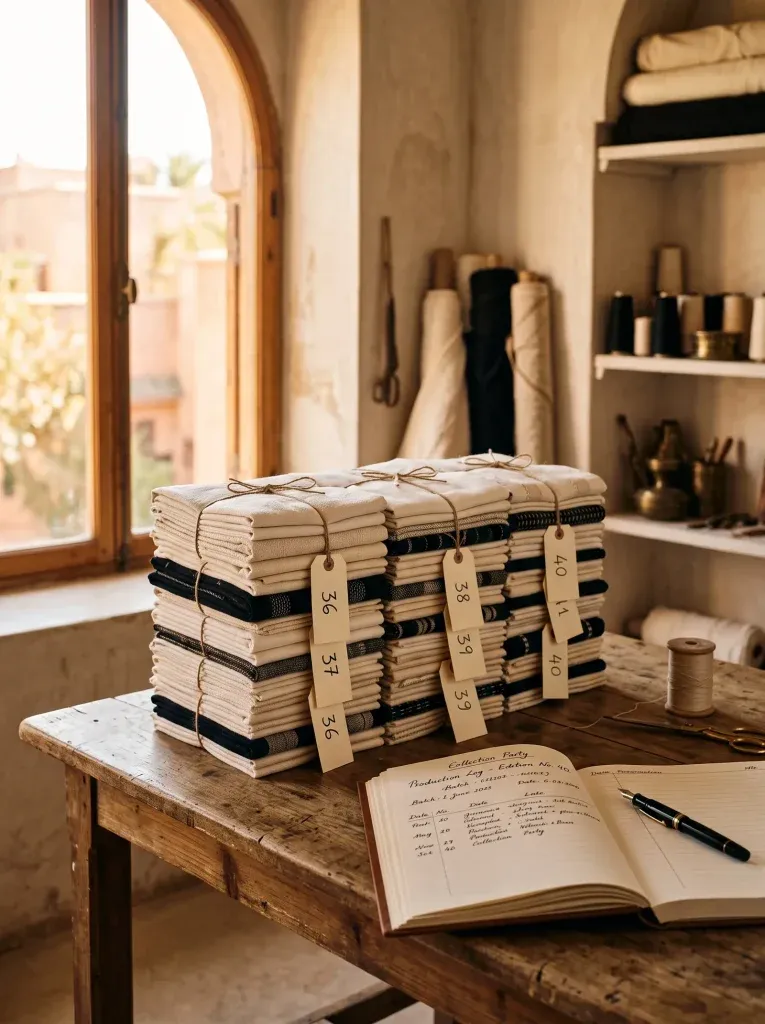
Every K-Loh design is released once, in a numbered edition of forty pieces at most. This is not a marketing device. It is how the atelier works.
The Language of Moroccan Embroidery
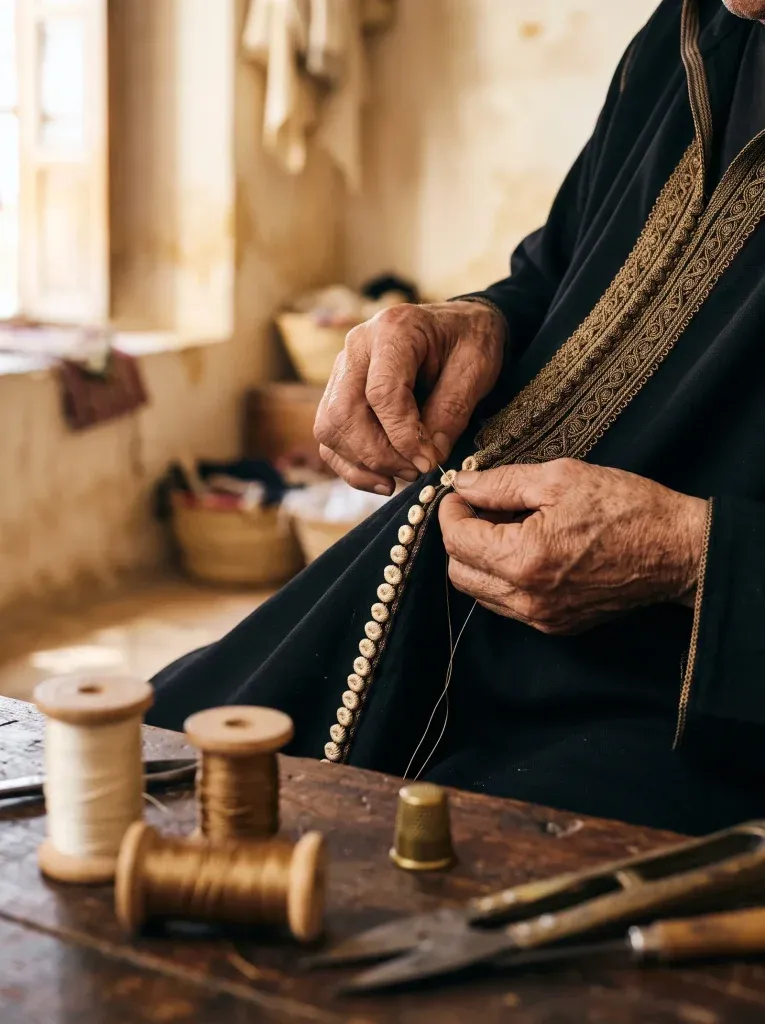
Sfifa, aakad, couched metallic thread. The vocabulary of Moroccan embroidery is centuries old, and every K-Loh piece speaks it fluently.
The Caftan, From Court Dress to Modern Wardrobe
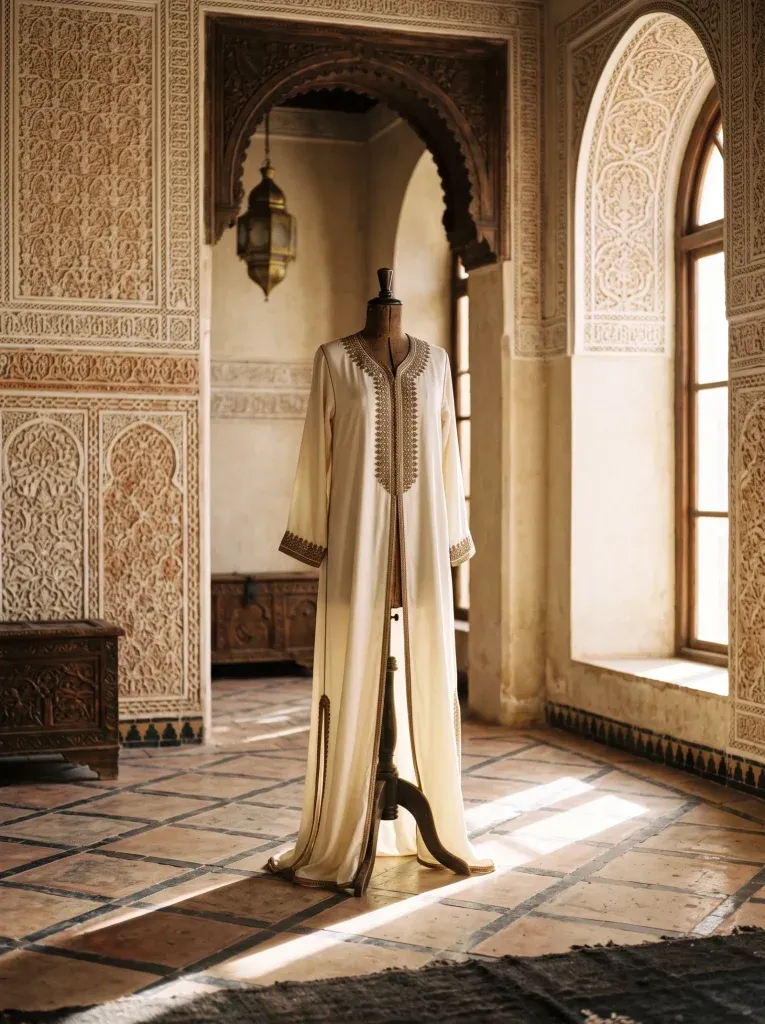
The caftan has dressed sultans, brides, and centuries of Moroccan women. A short history of the silhouette at the heart of the maison.