

Caring for Linen, the Atelier Way
June 30, 2026 · 2 min read
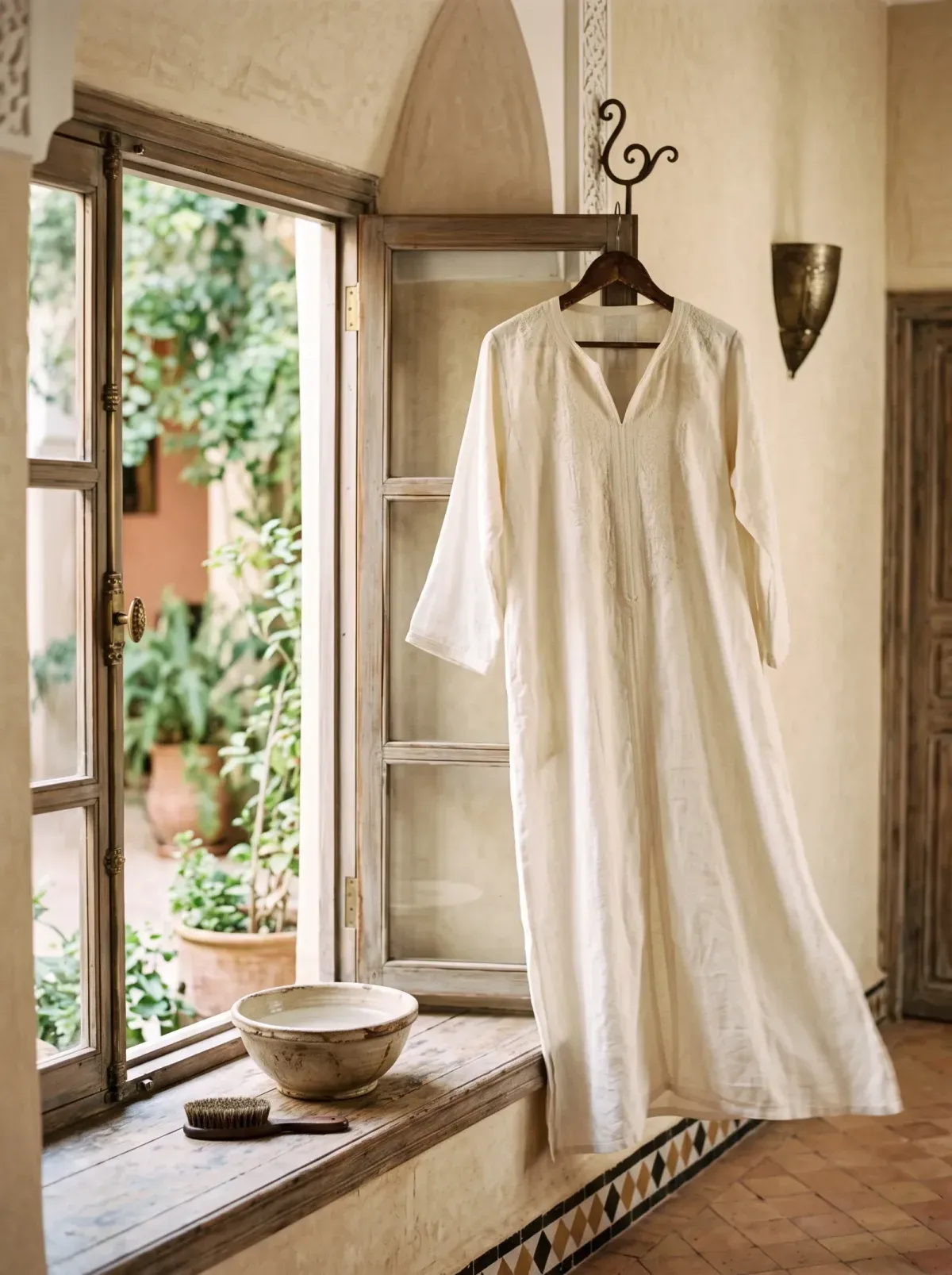
Of all the cloth that passes through the atelier, linen is the one we are asked about most. Clients love how it breathes and how it drapes, whether in a caftan or the Sahar Linen Ensemble, and then they ask about the creases. Flax creases. It has done so since the Egyptians wove it, and a linen caftan that arrived flat and stayed flat would be linen mixed with something we do not use.
Linen does not wear out. It wears in.
Wash less than you think
Most of what people call wear is really washing. A linen caftan worn for an evening rarely needs the machine. Hang it somewhere with moving air overnight and it will be ready again by morning. When a wash is needed, keep the water cold and the detergent mild.
Dry it slowly
Tumble drying is the one thing we ask you never to do. Heat is hard on flax and harder on hand finishing. Hang the piece while it is still slightly damp and let gravity do the pressing. If you iron, work on the reverse with a warm iron, and only where it shows: the collar line and the front placket.
Store it kindly
Linen likes room. Give it a wide hanger or fold it loosely on a shelf, away from direct sun. Skip the plastic covers, which trap moisture, and let the fibre breathe the way it was grown to.
Every K-Loh piece arrives with care instructions written for its exact cloth. For the full fibre by fibre guide, from silk to hand embroidery, visit our Care Guide.
The five year test
Ask anyone who owns a well kept linen piece what it looked like when it arrived, and they will struggle to remember. That is the point. Around the fifth year a good linen garment stops being something you bought and becomes something of yours, softer at the collar and paler in exactly the places the sun finds you. Hot washes and tumble dryers undo all of that in a single season.
One more habit worth borrowing from the atelier: keep a small horn or wooden comb for pilling, and deal with loose threads by trimming rather than pulling. A thread pulled in haste can undo an hour of finishing. Trimmed with scissors, it is forgotten by tomorrow. None of this takes more than a minute a month.
Maison K-Loh · Made in Morocco
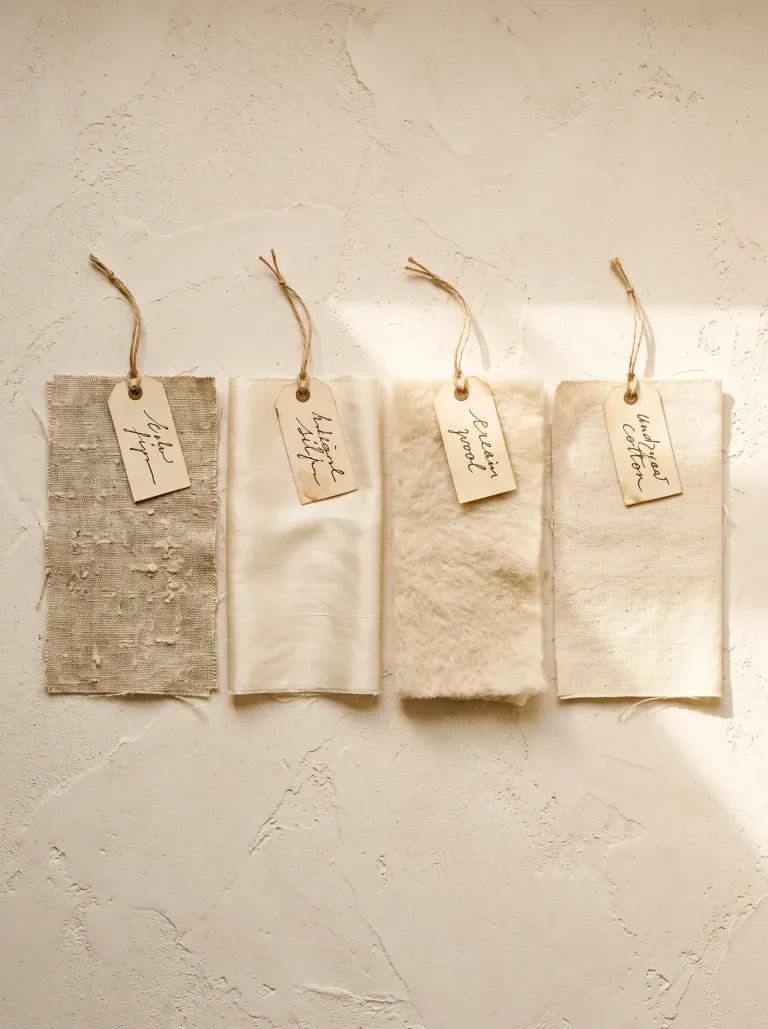 Silk, Wool, and the Case for Natural Fibres
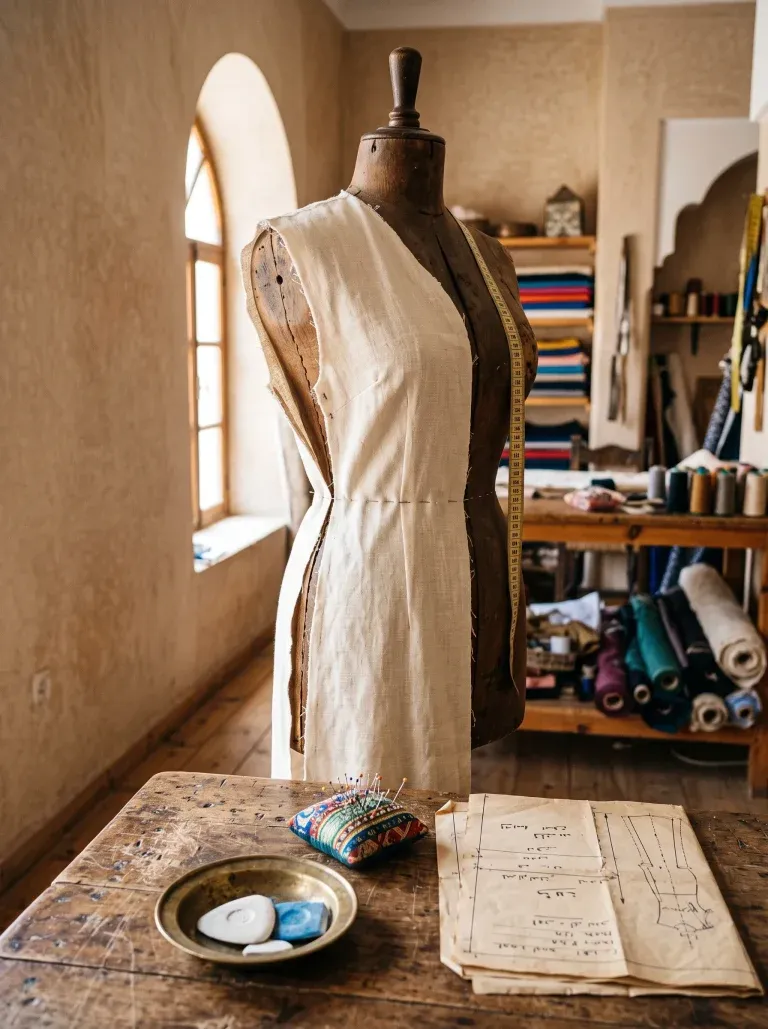 When You Are Between Two Sizes
 Dressing for a Wedding When You Are Not the Bride